
Find Out What Service Your Volkswagen Actually Needs
A generic 10,000-mile chart can anticipate an upcoming visit, but it cannot reliably determine what is due for your individual VW.
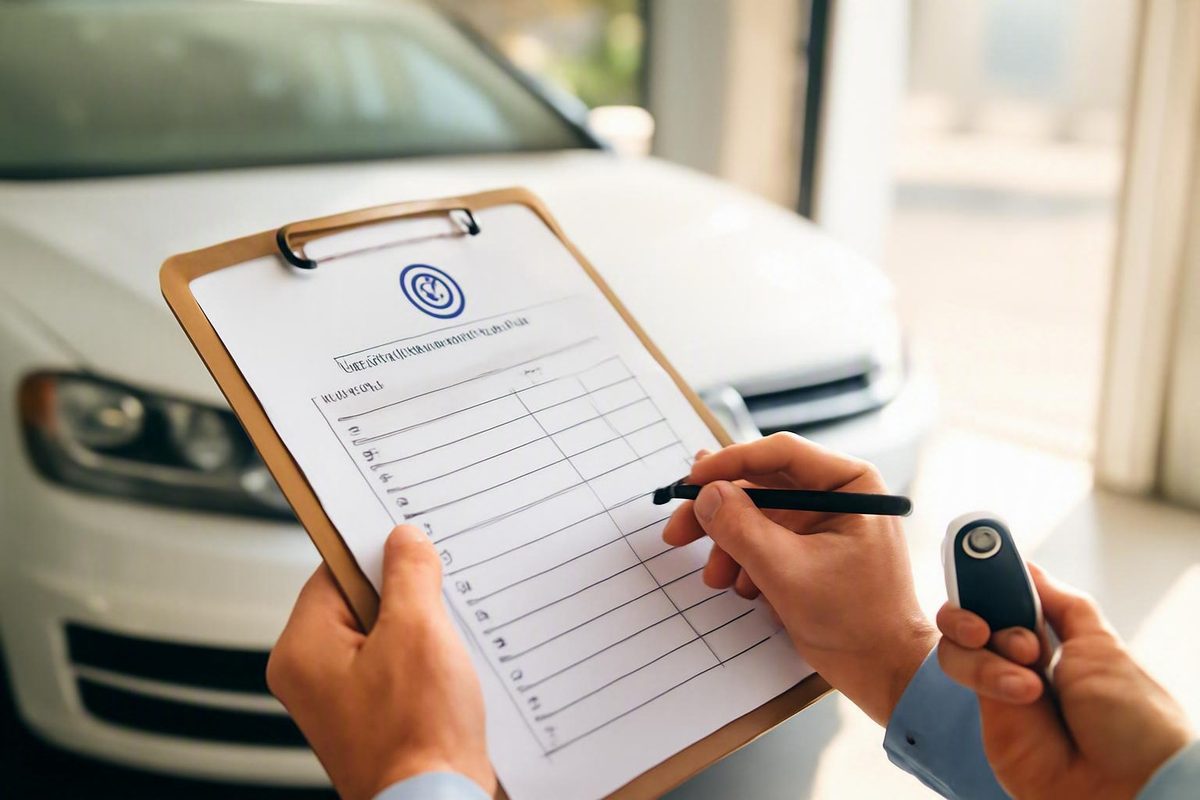
A useful VW maintenance schedule must answer two questions: Which Volkswagen are you servicing, and what work has already been completed? Requirements can differ by model year, model, trim, engine, transmission, drivetrain, installed equipment, market, vehicle age, mileage, and operating conditions.
That is why a generic “every 10,000 miles” chart is only a planning aid. It can help you anticipate the likely scope of an upcoming visit, but it cannot reliably determine what is due for an individual vehicle.
Start With Your Exact Volkswagen, Not a Generic Mileage Chart
For a U.S. owner, the best starting point is Volkswagen’s official maintenance lookup. Enter the VIN—or select the model year, model, and trim—then add the current odometer reading to display the recommended maintenance interval. The selector covers model years 2010 through 2027, but that does not mean every vehicle in that range follows the same schedule. Volkswagen also directs owners to the applicable Warranty and Maintenance Booklet for further details.1
Use the VIN when possible. If it is unavailable, choose the most detailed configuration the tool permits and verify the result against the vehicle afterward.
Before researching or calling a shop, gather:
- VIN
- Current odometer mileage
- Model year
- Exact model and trim
- Engine or powertrain
- Front-wheel drive or all-wheel drive
- Transmission type
- Original delivery or registration date
- Date and mileage of the last completed service
- Receipts for component-specific work, such as brake fluid, filters, spark plugs, or transmission fluid
The delivery or registration date matters because some maintenance is time-based. Previous service dates matter because recurring intervals may be calculated from the last service of that category, not simply from a round number on the odometer.
After finding the relevant interval, open the corresponding Warranty and Maintenance Booklet. Use that booklet and current vehicle-specific information as the controlling task list. A static web chart may omit time limits, equipment qualifications, operating-condition notes, or model-specific instructions.
This approach also helps separate four categories that may appear on an estimate:
- Factory-scheduled work currently due
- Inspections required by the schedule
- Repairs recommended because an inspection found wear, damage, leakage, or a failed test
- Preventive or dealer-recommended work not currently listed on the factory checklist
Any of these categories may be reasonable. They simply should not be presented as though they all have the same basis.
How to Read a Volkswagen Maintenance Schedule
The interval examples below come from the model-year 2022 U.S. gasoline schedule. They are not universal Volkswagen requirements.2
In that documented example, maintenance has four layers:
- Minor maintenance: Recurring core service at 10,000, 30,000, 50,000, 70,000, 90,000, and 110,000 miles.
- Standard maintenance: A broader service at 20,000-mile multiples. It includes all minor-maintenance items.
- Extended maintenance: An additional inspection layer at 40,000, 80,000, and 120,000 miles. It builds on standard maintenance.
- Additional maintenance: Component-, model-, time-, or equipment-specific work with its own triggers.
The first minor service is due at 10,000 miles or one year after delivery, whichever occurs first. The first standard service is due at 20,000 miles or two years after delivery, whichever occurs first. Later minor and standard services recur every 20,000 miles or two years after the previous service of the same type.2
The action word attached to each task matters:
- Change or replace: Remove the existing part or fluid and install the specified replacement.
- Inspect or check: Evaluate condition, wear, damage, corrosion, leakage, or operation.
- Check level: Confirm that a fluid is within the applicable range.
- Adjust: Correct a setting or level where necessary.
- Test: Confirm that a component or system functions as specified.
- Service if required: Perform further work only if an inspection result, condition, or applicable instruction calls for it.
For example, “inspect brake pads” does not mean “replace brake pads at this mileage.” The inspection may uncover a need for replacement, but measurement and evaluation are the scheduled actions.
The phrase “whichever occurs first” is equally important. If a vehicle has traveled only 7,000 miles by its first anniversary, a schedule stating 10,000 miles or one year has reached its time limit. Low mileage does not stop the calendar.
Additional maintenance does not necessarily align with the minor, standard, and extended milestones. Brake fluid, filters, spark plugs, transmission fluid, AWD fluids, and equipment checks can become due at the same visit—or between the headline mileage points.
A General 10,000-to-120,000-Mile Framework
The following table is a planning framework for model-year 2022 U.S. gasoline Volkswagens operating under normal conditions. It is not a universal schedule for other model years, diesels, EVs, markets, transmissions, or VINs.2
| Mileage | Recurring service category | Time relationship in the documented example | Vehicle-specific items may also be due |
|---|---|---|---|
| 10,000 | Minor | First minor: 10,000 miles or one year after delivery, whichever comes first | Annual sunroof test where equipped; other time- or equipment-based work |
| 20,000 | Standard, including minor items | First standard: 20,000 miles or two years after delivery, whichever comes first | Sunroof-drain check where applicable; time-based filters or other items |
| 30,000 | Minor | Two years after the previous minor service if that occurs first | Brake fluid may be due based on registration date |
| 40,000 | Standard plus extended | Standard recurrence; extended inspection layer | Dust and pollen filter; spark plugs on specified models; equipment checks |
| 50,000 | Minor | Two years after the previous minor service if earlier | Time-based fluids or equipment work may apply |
| 60,000 | Standard | Two years after the previous standard service if earlier | Engine air filter may be due |
| 70,000 | Minor | Two years after the previous minor service if earlier | Time- and condition-based work may coincide |
| 80,000 | Standard plus extended | Standard recurrence; extended inspection layer | Spark plugs on specified models; applicable DSG or automatic-transmission fluid |
| 90,000 | Minor | Two years after the previous minor service if earlier | Equipment-specific fluids may be due by age |
| 100,000 | Standard | Two years after the previous standard service if earlier | Filters, fluids, or condition-based repairs depend on service history |
| 110,000 | Minor | Two years after the previous minor service if earlier | Verify completion of prior component-specific services |
| 120,000 | Standard plus extended | Standard recurrence; extended inspection layer | Additional work depends on model, equipment, age, and previous service |
The pattern can be summarized as follows:
- Odd 10,000-mile points—10,000, 30,000, 50,000, and so on—receive minor maintenance.
- Even 20,000-mile points receive standard maintenance.
- At 40,000-mile multiples, extended maintenance joins the standard service.2
Do not turn that pattern into a brand-wide rule. General automotive references also describe Volkswagen maintenance in 10,000-mile groupings while directing owners back to vehicle-specific materials for the actual requirements.3
Dealer charts commonly use the same broad groupings but disagree about what belongs at each milestone. One may include tire rotation, alignment, cabin-filter replacement, or a fluid service where another does not.
Use the table to anticipate scope, not to authorize work blindly. Spark plugs, engine and cabin filters, DSG fluid, conventional automatic-transmission fluid, AWD fluids, and sunroof work do not share one universal Volkswagen interval.
What the 10,000-Mile Minor Service Includes
For the documented 2022 U.S. gasoline schedule, minor maintenance consists of three core actions:
- Change the engine oil and replace the oil filter
- Check front and rear brake-pad thickness and brake-disc condition
- Reset the service-interval display
The first minor service is due at 10,000 miles or one year after delivery, whichever occurs first. Later minor services occur every 20,000 miles or two years after the previous minor service.2
The brake portion is an inspection, not an automatic brake replacement. If a shop recommends pads, rotors, or other brake work, ask for the measurements or observed condition supporting the recommendation.
Is tire rotation part of the factory 10,000-mile service?
Many generalized dealer guides include tire rotation at 10,000-mile visits. Capitol Volkswagen, for example, combines oil and filter replacement with tire rotation and several inspections while acknowledging that an individual vehicle’s schedule may differ.4
That does not establish tire rotation as a universal factory requirement for every Volkswagen. The applicable schedule, tire design, and installed setup should determine whether it belongs on the factory checklist.
Ask whether a proposed rotation is:
- Required by the schedule for the vehicle
- Recommended by the tire manufacturer
- Proposed because an inspection found uneven wear
- Included as a dealer preventive-maintenance practice
Apply the same caution to multipoint inspections, airbag checks, wiper checks, AdBlue checks, and headlight-washer checks found in generalized lists. Some are useful shop practices; others apply only to particular powertrains or installed systems.
A useful service-order question is:
“Please identify which items come from the current factory schedule for this vehicle, which apply only to installed equipment, which are based on inspection findings, and which are dealer-recommended additions.”
Ask for an itemized estimate before work begins. If a multipoint inspection is complimentary or bundled, the estimate can still distinguish inspection from replacement.
After the visit, record:
- Service date
- Odometer mileage
- Engine oil and filter used
- Scheduled checks completed
- Inspection measurements or findings
- Shop name and location
- Invoice or repair-order number
- Receipt location
- Next due date and mileage
A detailed record prevents later confusion over whether a component-specific service was completed, inspected, recommended, or merely discussed.
What Expands at 20,000 and 40,000 Miles
In the 2022 U.S. gasoline example, the first standard service is due at 20,000 miles or two years after delivery, whichever occurs first. It includes every minor-service item, so the oil and filter change, brake inspection, and service-display reset remain part of the broader visit.2
Standard maintenance expands the checklist across the vehicle:
- Battery: Test the main battery and auxiliary battery where equipped
- Brakes and damping: Inspect the brake system and shock absorbers for leaks or damage; check brake-fluid level as applicable
- Cooling system: Check coolant level and freeze protection
- Engine compartment and drivetrain: Inspect relevant components, transmission, final drive, and drive-axle boots for leaks or damage
- Steering and suspension: Inspect relevant components and condition
- Tires: Check condition, pressure, and tread-related concerns as specified
- Exterior lighting: Test vehicle lighting and adjust where required
- Driver-warning and convenience systems: Check the horn, wipers, and washers
- Applicable equipment: Inspect items such as the headlight-washing system or removable trailer hitch only when installed
This remains an inspection-driven service rather than a blanket replacement list. A battery that passes its test is not automatically replaced because the vehicle has reached 20,000 miles. The same principle applies to tires, shocks, suspension parts, lamps, cooling-system components, and drivetrain boots.
At 40,000 miles, standard and extended maintenance coincide in the documented example. The vehicle receives the recurring minor work, the broader standard checklist, and an additional inspection layer covering areas such as:
- Body and underbody corrosion
- Coil springs
- Exhaust components
- Interior lighting
- Ribbed belt
- Underbody condition
- Windshield condition
- Sunroof components where equipped2
General dealer summaries may resemble this structure. Lafayette Volkswagen, for example, lists progressively broader inspections at 20,000 and 40,000 miles while warning that schedules are customized by model.5
Once again, “inspect exhaust” does not mean “replace exhaust,” and “check ribbed belt” does not mean “install a new belt.” If an inspection leads to a repair recommendation, the shop should identify the finding separately.
Be cautious with generalized charts headed 40,000/60,000/120,000 miles for major service. That grouping conflicts with the documented 2022 pattern, which places extended maintenance at 40,000, 80,000, and 120,000 miles. One dealer page using the conflicting heading also states that its recommendations are only a general overview and can vary by configuration.6
Do not average conflicting intervals or select whichever chart is more convenient. Verify the model year, configuration, and applicable booklet.
Brake Fluid, Filters, Spark Plugs, and Transmission Fluids
Every exact interval in this section applies to the documented model-year 2022 U.S. gasoline schedule. Do not transfer these figures automatically to another year, market, powertrain, or transmission.2
| Item | Documented 2022 trigger | Applicable models or equipment | Action type | Verification note |
|---|---|---|---|---|
| Brake fluid | Three years after registration, then every two years | Documented U.S. gasoline vehicle set | Replace fluid | Track registration date, not just mileage |
| Engine air-filter element | Every 60,000 miles or six years, whichever comes first | Applicable gasoline models in the documented schedule | Replace element | Severe dust may require earlier attention |
| Dust and pollen filter | Every 40,000 miles or two years, whichever comes first | Applicable vehicles | Replace filter | A low-mileage vehicle can reach the time trigger first |
| Spark plugs | Every 40,000 miles or four years, whichever comes first | Arteon, Golf R, GTI, and Passat | Replace | Do not apply to every Volkswagen engine |
| Spark plugs | Every 80,000 miles or six years, whichever comes first | Atlas, Atlas Cross Sport, Jetta, Jetta GLI, Taos, and Tiguan | Replace | Verify the exact model and engine |
| Seven-speed DSG fluid | Every 80,000 miles | Specified Golf R, GTI, and Jetta GLI vehicles | Replace fluid as listed | Confirm the transmission identification |
| Non-DSG automatic-transmission fluid | Every 80,000 miles in the U.S. schedule, excluding Canada | Vehicles covered by that schedule line | Replace fluid | Do not transfer to another transmission, model year, or market |
These intervals demonstrate why one brand-wide chart is unreliable. Within a single model year and market, spark-plug timing differs by model, while transmission-fluid requirements depend on the transmission. Brake-fluid replacement follows the calendar rather than alternating 10,000-mile visits.
Brake fluid
For the documented vehicle set, the first brake-fluid replacement is due three years after registration, followed by replacement every two years regardless of mileage.2
A lightly driven vehicle can therefore require brake-fluid service before reaching its next major mileage milestone.
Engine and cabin filters
In the same schedule, the engine air-filter element is due every 60,000 miles or six years, while the dust and pollen filter is due every 40,000 miles or two years, whichever occurs first in each case.2
The filters therefore do not share one interval. The applicable severe-condition instructions may also call for earlier air-cleaner attention in excessive dust.
Spark plugs
There is no single “VW spark-plug interval.” In the documented 2022 schedule:
- Arteon, Golf R, GTI, and Passat: 40,000 miles or four years
- Atlas, Atlas Cross Sport, Jetta, Jetta GLI, Taos, and Tiguan: 80,000 miles or six years2
Model name alone may still be insufficient when researching another year. Verify the engine, market, model year, and applicable booklet rather than applying a current interval retrospectively.
DSG and conventional automatic-transmission fluid
“Volkswagen automatic transmission” is not a sufficiently precise description. A DSG and a non-DSG automatic can have different requirements, and not every DSG-equipped Volkswagen necessarily follows the same schedule.
For the documented 2022 U.S. gasoline schedule, seven-speed DSG fluid is listed every 80,000 miles for specified Golf R, GTI, and Jetta GLI vehicles. Non-DSG automatic-transmission fluid is also listed at 80,000 miles under the applicable U.S. schedule line, excluding Canada.2
Some dealership guidance places DSG service near 40,000 miles for selected vehicles. Oklahoma City Volkswagen, for example, gives approximate 40,000-mile guidance while qualifying its recommendations by model, drivetrain, conditions, and use.7
If one source says 40,000 miles and the applicable booklet says 80,000 miles, do not average the recommendations to 60,000. Identify the transmission, model year, market, and vehicle-specific schedule. Also ask whether a quoted service includes fluid only, fluid and filter, related hardware, or an inspection.
Equipment, Powertrain, and Driving Conditions Change the Answer
A maintenance line applies only if the vehicle has the corresponding system. Generalized lists often combine gasoline, diesel, AWD, DSG, and sunroof tasks even though those tasks do not apply to every Volkswagen.
For the documented 2022 U.S. gasoline example:
- AWD clutch fluid is listed every three years where equipped.
- Front-axle differential-lock fluid is listed every three years where equipped.
- Panoramic sliding-sunroof testing is listed at 10,000 miles or annually, whichever comes first.
- Sunroof-drain checks are listed at 20,000 miles or two years, whichever comes first, where applicable.2
- DSG service applies only to specified models and transmissions.
- Headlight-cleaning-system checks apply only where that system is installed.
- Mobility-kit sealant checks apply only where the vehicle has the corresponding repair kit.
AdBlue is not a generic gasoline-vehicle service. It applies to diesel vehicles equipped with selective catalytic reduction. General dealer lists may place it beside oil changes and wiper inspections, but that does not make it applicable to a gasoline or electric Volkswagen.
Gasoline, diesel, and electric vehicles therefore should not be combined into one undifferentiated checklist. An EV does not require engine-oil changes or spark-plug replacement, while a diesel may have emissions-system requirements absent from a gasoline vehicle. Owners outside the documented 2022 U.S. gasoline set should return to the official lookup and applicable booklet.
Severe operating conditions
The documented schedule assumes normal operation. It identifies extreme cold and excessive dust as examples of severe conditions that may require certain work between the normal intervals, particularly engine-oil and air-cleaner maintenance.2
That does not support inventing one shorter interval for every driver. Instead:
- Read the severe-condition notes for the exact vehicle.
- Decide whether the vehicle’s actual use matches those conditions.
- Inspect relevant components where their condition is uncertain.
- Ask which booklet provision supports any accelerated schedule.
Towing, sustained heat, rough roads, frequent impacts, and local climate can be sensible reasons to inspect fluids, filters, tires, suspension, cooling performance, or related systems. They do not by themselves establish a fixed Volkswagen interval without vehicle-specific documentation.
Wheel alignment illustrates the difference. An alignment may be appropriate after a pothole or curb impact, when the steering no longer tracks correctly, or when tire wear is abnormal. That makes it condition-based work rather than universally scheduled maintenance at a fixed mileage.
The same logic applies to batteries and wipers. Climate and use can affect their condition, but replacement should follow testing, observed performance, or applicable instructions—not an unsupported brand-wide mileage rule.
Turn the Schedule Into a Service Plan
Once you know the relevant interval, convert it into a written plan before the appointment.
Pre-appointment checklist
- Retrieve the current vehicle-specific schedule.
- Open the applicable Warranty and Maintenance Booklet.
- Compare the listed work with prior invoices.
- Confirm the current mileage and vehicle age.
- Identify overdue time-based items.
- Record dashboard service messages exactly as displayed.
- List warning lights, noises, leaks, vibrations, and drivability concerns separately.
- Check whether component-specific work was completed previously.
- Verify the engine, transmission, drivetrain, and installed equipment.
- Check for open recalls or service campaigns.
Symptoms should remain separate from scheduled maintenance. “Oil service due” is not the same category as “rattle over bumps” or “coolant warning appeared twice.” Separating them helps distinguish diagnostic work from routine service.
Ask for an estimate divided into four groups:
| Estimate category | What belongs in it |
|---|---|
| Factory-scheduled work | Tasks currently due under the vehicle-specific schedule and booklet |
| Inspection findings | Measured wear, leakage, damage, failed tests, or other documented conditions |
| Condition-based repairs | Work proposed to correct those findings |
| Dealer-recommended additions | Preventive services or packages not currently listed as factory-scheduled |
For replacement recommendations, request measurements, test results, photographs, or a plain-language description of the condition where practical. For fluid services, ask which system is being serviced and why it is due. For filters, ask whether replacement is schedule-driven, time-driven, severe-use-related, or based on inspection.
Volkswagen offers appointment scheduling through the myVW app or online. Its owner resources also provide access to manuals, digital Warranty and Maintenance Booklets, dealer search, recalls, and service campaigns.8
Check recalls and campaigns before the visit and ask whether eligible work can be completed during the same appointment. Also ask the dealer to explain how that work will be documented and whether any charge applies rather than assuming it is part of customer-paid scheduled maintenance.
Volkswagen Care is an optional prepaid maintenance plan, not a separate definition of what the vehicle needs. Coverage depends on the selected plan, model year, eligibility, contract terms, and participating-dealer requirements. Compare the contract’s covered intervals and exclusions with the work expected for the vehicle.8
Printable maintenance log
Use one row for each completed visit or separately documented component service.
| Field | Entry |
|---|---|
| Date | |
| Mileage | |
| Service category | Minor / standard / extended / additional / repair / recall or campaign |
| Work performed | |
| Inspection findings and measurements | |
| Parts or fluid specification | |
| Shop and location | |
| Invoice number | |
| Receipt location | |
| Next due date | |
| Next due mileage | |
| Notes |
Do not record only “40K service.” List the individual work performed. A package name does not establish whether brake fluid, filters, spark plugs, transmission fluid, or equipment-specific checks were included.
When a dashboard reminder, generic web chart, and dealer recommendation disagree, use this rule: Verify the current vehicle-specific information and applicable Warranty and Maintenance Booklet before authorizing work described as factory-scheduled. Evaluate inspection findings and optional preventive recommendations separately.
Frequently Asked Questions
How often should a Volkswagen be serviced?
It depends on the model year, powertrain, configuration, age, mileage, and operating conditions. Generalized Volkswagen guides often use 10,000-mile planning increments, but the required work at each increment is not universal.
For the model-year 2022 U.S. gasoline example, the first minor service is due at 10,000 miles or one year after delivery, and the first standard service is due at 20,000 miles or two years after delivery, whichever occurs first. Later services follow the recurrence rules for their respective categories.2
Can I find my VW maintenance schedule by VIN?
Yes. Volkswagen’s official tool accepts a VIN. It also permits a search by model year, model, and trim, after which the odometer mileage can be added to identify the recommended maintenance interval.1
The VIN-first approach reduces the risk of relying on a broad model description that does not reflect the vehicle’s transmission, drivetrain, or installed equipment.
How often does Volkswagen brake fluid need to be changed?
There is no safe brand-wide answer for every year and market. In the documented model-year 2022 U.S. gasoline schedule, brake fluid is due three years after registration and every two years thereafter, regardless of mileage.2
Check the registration date, prior receipts, and applicable booklet. Do not substitute a generalized mileage-based dealer recommendation without confirming that it applies.
When are VW spark plugs and DSG fluid due?
The answer depends on the model, engine, transmission, model year, and market. In the documented 2022 U.S. gasoline schedule, spark plugs are listed at 40,000 miles or four years for the Arteon, Golf R, GTI, and Passat. They are listed at 80,000 miles or six years for the Atlas, Atlas Cross Sport, Jetta, Jetta GLI, Taos, and Tiguan.2
Seven-speed DSG fluid is listed at 80,000 miles for specified 2022 Golf R, GTI, and Jetta GLI vehicles. Other guidance may cite a different interval for other vehicles, so identify the exact transmission and use its applicable booklet.
Does a low-mileage Volkswagen still need time-based maintenance?
Yes, when the applicable schedule uses mileage or elapsed time. The earlier threshold controls. A low-mileage vehicle can become due for an annual service, brake fluid, filters, spark plugs, sunroof work, AWD fluids, or another time-based item before reaching the corresponding mileage.2
Use the general cadence to anticipate the likely scope of the next visit, but authorize schedule-based work only after checking Volkswagen’s current lookup and the Warranty and Maintenance Booklet for the exact vehicle. Mileage, elapsed time, equipment, operating conditions, and previous work all affect the answer. Keep an itemized service log and check recalls or campaigns when arranging the appointment.